
Chiller Van vs. Freezer Van: Choosing the Right Cold Chain Transport for Your Business
Choosing between a chiller van vs. freezer van? Understand the key differences in temperature ranges, applications, and costs for your UAE business transport needs. Selecting the correct temperature-controlled vehicle is crucial for businesses in the UAE. The wrong choice can lead to spoiled goods, financial loss, and compliance issues. This guide explains the key differences between a chiller van and a freezer van.
Your choice depends entirely on the specific temperature your products require for safe transport. We will explore their distinct temperature ranges, common uses, and operational considerations. Understanding these differences helps you make an informed decision for your logistics. It ensures your goods arrive in perfect condition every time.
The Core Differences: Temperature and Purpose (Chiller Van vs. Freezer Van)
The fundamental distinction lies in their operating temperatures and intended cargo. This difference dictates which vehicle is suitable for your products. Let’s break down the primary characteristics of each.
Defining the Temperature Range
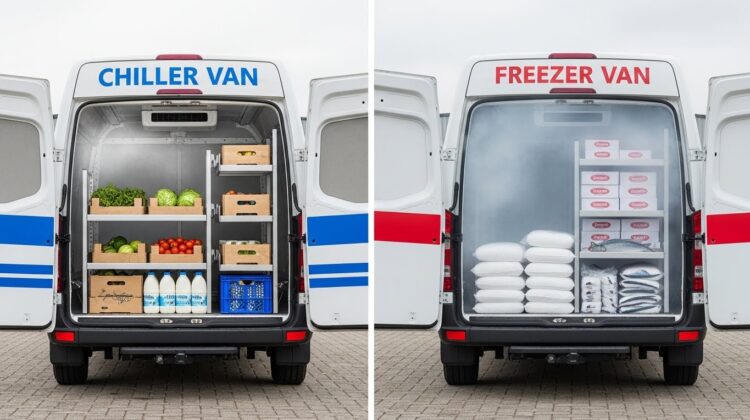
A chiller van maintains temperatures above freezing, typically between 0°C and 8°C. This cool environment slows bacterial growth. A freezer van operates at deep-freeze temperatures, usually between -18°C and -25°C. This extreme cold halts all biological activity, preserving items for much longer.
Primary Applications for Each Vehicle
Chiller vans transport fresh, perishable goods. Common cargo includes fruits, vegetables, dairy products, fresh flowers, and certain pharmaceuticals. Freezer vans are for frozen products that must remain solid. This includes ice cream, frozen meat and seafood, frozen meals, and some medical supplies.
Impact on Product Integrity and Safety
Using the wrong vehicle risks product damage. Putting chilled goods in a freezer van can cause freezing damage and texture loss. Transporting frozen goods in a chiller van leads to thawing, spoilage, and potential safety hazards. Matching the vehicle to the product is non-negotiable.
Typical Industries and Use Cases
The food and beverage industry uses both vehicles extensively. Caterers and florists rely heavily on chiller vans. Ice cream distributors and frozen food suppliers depend on freezer vans. Pharmaceutical companies may use either, based on a product’s specific storage requirements.
Energy Consumption and Operational Cost
Freezer vans require more energy to maintain sub-zero temperatures. This often results in higher fuel consumption per trip. Chiller vans generally have lower running costs for temperature maintenance. Consider this in your total cost of operation for rental or owned fleets.
Vehicle Insulation and Cooling System Design
Freezer vans feature thicker insulation in walls, floors, and ceilings. Their refrigeration units are more powerful to combat heat ingress. Chiller van systems are designed for a less extreme temperature differential. The build quality directly supports the intended temperature range.
Key Factors to Consider Before Making Your Choice
Choosing between a chiller and freezer van requires careful evaluation of your business needs. This decision affects product quality, cost, and regulatory compliance. Let’s discuss the critical factors to guide your selection.
Analyze Your Product’s Exact Temperature Requirement
Check the storage instructions for all items you transport. Is the requirement “keep refrigerated” or “keep frozen”? This is your most important guide. A variance of just a few degrees can ruin sensitive products like vaccines or seafood.
Evaluate Load Size and Delivery Frequency
Consider the volume of goods you move daily or weekly. Do you make many small, multi-stop deliveries in the city? A smaller chiller van might be perfect. Are you moving large palletized loads between warehouses? A larger refrigerated truck or freezer truck may be necessary.
Understand Compliance and Documentation Needs
Certain products have legal transport requirements. Pharmaceutical goods may need GDP-compliant transport with temperature logs. Many food safety standards (like HACCP) mandate proof of temperature control. Ensure your rental provider can supply the necessary documentation and reports.
Assess Rental Flexibility and Fleet Access
Your needs may change with seasons or projects. A good provider offers flexible rental terms. Partnering with a company like Amjad Khan Transport gives you access to both chiller and freezer vans. This allows you to scale and adapt your logistics precisely.
Consider the Total Cost of Operation
Look beyond the daily rental rate. Factor in fuel efficiency, which differs between the two vehicle types. Also, consider any potential costs from product loss. The right vehicle is an investment in quality control that saves money long-term.
Plan for Contingencies and Support
What happens if the vehicle has a breakdown? Choose a provider that offers 24/7 emergency support and roadside assistance. For temperature-sensitive cargo, rapid response is essential to prevent total loss. This service level is a mark of a reliable partner.
The Critical Role of Your Transport Partner
The vehicle is only one part of a successful cold chain. Your transport partner’s expertise and reliability are equally vital. A specialist like Amjad Khan Transport provides more than just a well-maintained chiller or freezer van. They offer experienced drivers trained in handling sensitive cargo. They ensure vehicles are properly sanitized between loads to prevent contamination. Their knowledge of UAE routes and traffic patterns ensures efficient, on-time deliveries. Most importantly, they provide visibility. Modern fleets are equipped with digital temperature loggers. You receive reports proving your goods were kept at the correct temperature throughout the journey. This partnership turns a simple rental into a guaranteed, compliant logistics solution.
Frequently Asked Questions (FAQs)
Can a freezer van be used as a chiller van by adjusting the temperature?
Technically, yes, but it is often inefficient. A freezer van’s powerful compressor will cycle on/off more frequently at a warmer setting. This can lead to uneven temperature zones and higher fuel consumption. It is usually better to use the van designed for the target temperature range.
What is a refrigerated van, and how does it fit in?
“Refrigerated van” is a general term for any van with active cooling. It encompasses both chiller vans and freezer vans. When renting, always specify the exact temperature range you need. Do not assume a standard “refrigerated van” meets your deep-freeze or precise chilling requirements.
Do these vehicles come with temperature monitoring?
Professional transport companies provide this crucial feature. Amjad Khan Transport equips its fleet with digital loggers. They record the temperature throughout the trip. You can request a report for your records, which is essential for quality assurance and compliance audits.
How do I prepare my goods for transport in a chiller or freezer van?
Products should be at their required temperature before loading. Never load warm items into a cold van. This stresses the cooling system and jeopardizes other cargo. Ensure items are properly packed and secured to allow for adequate air circulation around them during the journey.
Final Overview
Choosing correctly between a chiller van and a freezer van safeguards your product quality. It protects your revenue and reinforces your brand’s reputation for reliability. This decision is a cornerstone of professional logistics.
Partnering with an expert like Amjad Khan Transport gives you confidence. You gain access to the right vehicle and the supporting expertise for your UAE operations. Make the informed choice to ensure your temperature-sensitive goods always arrive in perfect condition.